Reviewing the Silly Goose Embroidery Design
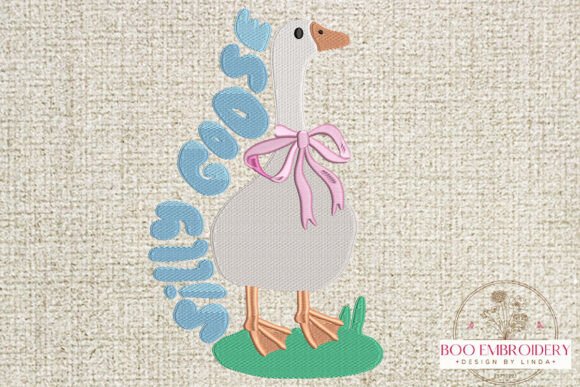
As an embroidery designer who has spent years refining digital files for real-world application, I approach every new machine embroidery design with a critical eye. It is not just about how it looks on a screen; it is about how it behaves under the needle and how it resonates with the end customer. Recently, I tested the Silly Goose Embroidery Design, Cute Goose to determine its viability for my personalized gift shop. This review breaks down the practical performance, aesthetic appeal, and commercial potential of this charming piece within the Farm Animals category.
First Impressions: Charm and Character
The moment I loaded the embroidery file into my software, the mood was immediately apparent. This is not a stiff or overly formal design. It exudes a playful, quirky energy that feels distinctly handmade and warm. The lines are clean, suggesting a modern yet classic approach to animal motifs. For a designer, this balance is crucial. Too much detail can lead to stitching issues, while too little can look amateurish. This design strikes a sweet spot, offering enough character to be recognizable as a goose while maintaining a simplicity that allows for quick stitching and high durability.
The emotional appeal here is strong. It feels friendly and approachable, which is exactly what customers look for when buying a personalized gift. Whether for a nursery or a kitchen, the design promises to add a touch of humor and lightness to everyday items. It does not try to be elegant in a traditional sense; instead, it leans into being cute and memorable, which is a powerful driver for impulse buys on platforms like Etsy.
Versatility Across Product Lines
One of the strongest assets of the Silly Goose Embroidery Design, Cute Goose is its adaptability. In my test run, I explored several applications to see where it performed best. For baby products, this design is a standout. It works beautifully on baby embroidery projects such as muslin swaddles or organic cotton onesies. The whimsical nature of a silly goose aligns perfectly with the joyous occasion of a new birth, making it an ideal choice for shower gifts.
Beyond the nursery, I found significant potential in home decor. An embroidered towel featuring this goose adds a delightful accent to a farmhouse-style kitchen. It transforms a standard textile into a conversation piece. Similarly, stitching this onto a canvas tote bag creates a fun, casual accessory that appeals to younger demographics. For wedding contexts, while it may not suit a formal black-tie event, it is perfect for rustic or barn-themed weddings. Imagine this stitched onto aprons for the bridal party or as part of a cozy blanket embroidery project for the couple’s new home.
For Etsy seller accounts and small shop owners, this design offers variety. It can be marketed as part of a seasonal collection or as a standalone handmade product. The versatility means you are not limited to one niche; you can cross-list it for pet lovers, parents, and home decorators alike.
Navigating Technical Challenges
While the design is robust, there are areas where caution is necessary. As with any digital embroidery file, the substrate matters. When working with textured fabric, such as thick waffle-weave towels, the smaller details of the goose’s face might get lost if the stitch density is not optimized for the material. I recommend running a test stitch on a similar scrap fabric before committing to a final product.
Stretchy fabrics, common in baby clothes, require careful handling. Without the proper stabilizer, the design could pucker or distort after washing. I found that using a cut-away stabilizer provided the best support for stretchy knits, ensuring the goose remained crisp and centered. Additionally, when embroidering on dark fabric, thread color contrast becomes vital. A white or light yellow thread will pop against navy or black, but you must ensure your machine tension is adjusted to prevent the background fabric from showing through the stitches.
Curved surfaces, such as the toe of a sock or the corner of a pillow, also present challenges. The hoop size must be selected carefully to ensure the design fits without distortion. If the design is too large for the available space, it may need to be resized, which can affect stitch quality. Always check the manufacturer’s recommendations for minimum and maximum sizing to maintain the integrity of the custom embroidery.
Enhancing Perceived Value and Trust
From a business perspective, the Silly Goose Embroidery Design, Cute Goose contributes significantly to perceived value. A well-executed embroidered item feels more luxurious and thoughtful than a printed one. It signals to the buyer that time and skill were invested in their personalized gift. This emotional connection fosters customer trust and encourages repeat business.
Product photography plays a huge role here. When staging photos for your online store, use natural light to highlight the texture of the threads. Show the design in context—on a folded pillow cover, hanging on a oven handle, or draped over a crib. These lifestyle shots help buyers visualize the finished product in their own homes, increasing buyer engagement and conversion rates.
Practical Steps for Production
Before adding this design to your inventory, follow these practical steps to ensure quality control:
- Test on Scrap Fabric: Always stitch out a sample on the exact material you plan to sell. This reveals any issues with thread breaks or registration.
- Check Thread Colors: Experiment with different thread colors to see which combinations offer the best contrast and visual appeal.
- Confirm Hoop Size: Ensure your machine’s hoop can accommodate the design dimensions without requiring excessive re-hooping.
- Review Stitch Density: If the design feels too dense for lightweight fabrics, consider adjusting the density settings in your software to prevent puckering.
- Use Proper Stabilizer: Match the stabilizer type to the fabric weight and stretch. Tear-away for stable woven fabrics, cut-away for knits.
- Compare Mockups: Create a printable mockup or digital preview to show customers how the design looks on light versus dark backgrounds.
- Verify Licensing: Before selling any commercial embroidery items, confirm the license terms of the digital embroidery file. Ensure you have the right to sell finished products made with this design.
In conclusion, the Silly Goose Embroidery Design, Cute Goose is a versatile and charming addition to any embroidery portfolio. It bridges the gap between playful fun and professional quality, making it suitable for a wide range of small shop product lines. By paying attention to technical details like stabilizer choice and fabric texture, you can produce high-quality items that delight customers and stand out in the crowded marketplace of handmade goods. Whether for a wedding gift or a simple kitchen upgrade, this design delivers consistent charm and reliability.