Cow Face Applique Embroidery: A Designer’s Review
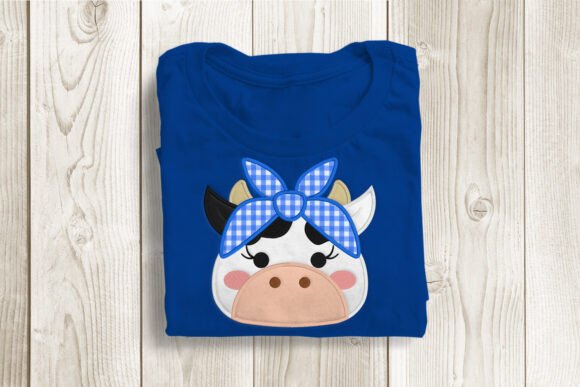
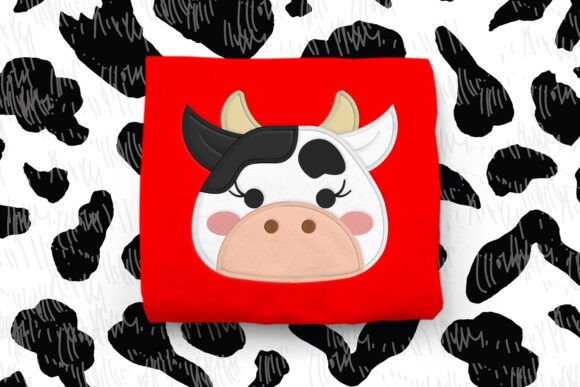
When I first unzipped the folder containing Cow Face Applique Embroidery, my immediate reaction was one of relief. In a market saturated with overly complex, digitized nightmares that eat up thread and time, this design felt refreshingly intentional. As an experienced designer who has spent countless hours hooping fabric for clients ranging from boutique baby shops to local farm-themed cafes, I look for efficiency without sacrificing charm. This design delivers exactly that balance.
The mood it creates is undeniably warm and approachable. It does not try to be hyper-realistic; instead, it leans into a stylized, friendly aesthetic that works beautifully across various demographics. Whether you are stitching for a nursery or a rustic kitchen, the visual personality of this piece fits naturally into the Farm Animals category while maintaining a modern craft appeal.
Real-World Application: The Tote Bag Test
To truly evaluate a machine embroidery design, you have to move beyond the screen and put needle to fabric. I recently used this design for a custom order involving canvas tote bags for a local dairy’s grand opening. The client wanted something cute but professional—nothing too childish, yet inviting enough for families.
I chose a medium-weight cotton canvas for the base. The applique nature of Cow Face Applique Embroidery proved to be a significant advantage here. Unlike full fill-stitch designs that can make heavy fabrics stiff and bulky, the applique method uses a fabric patch for the main body of the cow’s face. This keeps the finished product soft and flexible, which is crucial for items like tote bags that need to fold and carry weight. The satin stitch border cleanly covered the raw edges of the fabric patch, giving it a polished, high-end look that elevated the perceived value of the merchandise.
Versatility Across Products
One of the strongest assets of this design is its adaptability. Because it comes in five sizes, it transitions seamlessly between different project types. Here is how I see it performing in various real-life scenarios:
- Sweatshirt Embroidery: On fleece or French terry, the applique technique prevents the design from becoming a hard, scratchy patch on the chest. It lays flat and integrates well with the texture of the garment.
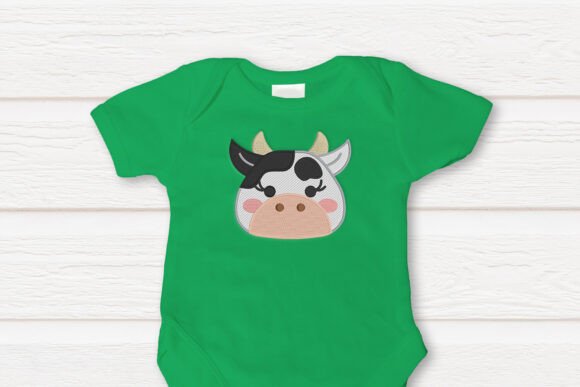
- Baby Embroidery: For onesies or burp cloths, the optional eyelashes and rosy cheeks add a touch of sweetness. However, for infant items, I often recommend skipping these finer details to reduce bulk and potential irritation, utilizing the "skip certain stitch steps" feature mentioned in the description.
- Embroidered Patch: The bold outlines make it ideal for iron-on or sew-on patches. The clear separation between the black and white areas ensures the design remains readable even at smaller scales.
- Kitchen Towels and Aprons: The rustic charm fits perfectly here. Just ensure you use a strong stabilizer, as terry cloth can be tricky to hoop securely.
Technical Considerations for Designers
While the design is user-friendly, there are technical nuances every embroiderer should consider before launching into a production run. The file package includes eight formats (DST, EXP, HUS, JEF, PEC, PES), which covers most home and semi-industrial machines. However, always verify compatibility with your specific hardware.
Fabric Texture and Contrast
Since this is an applique design, your choice of fabric for the patch matters immensely. I tested it with both felt and cotton quilting fabric for the cow’s face. Felt provided a cleaner edge with no fraying, while cotton required careful trimming. For dark fabrics, ensure your placement stitches are visible. I recommend doing a test run on scrap fabric to check thread color contrast. A white thread on a black shirt might disappear if the tension is off, so adjust accordingly.
Stitch Density and Stability
The satin stitch borders are dense enough to look premium but not so dense that they cause puckering. That said, when working on stretchy fabrics like jersey knits for t-shirts, a cut-away stabilizer is non-negotiable. Without proper support, the weight of the satin stitch can distort the garment over time, especially after washing.
Small Hoop Sizes and Curved Surfaces
If you are using the smallest size included in the zip file for cap embroidery, be mindful of the curved surface. Caps require specialized hoops and careful positioning. The design’s symmetry helps, but always center it precisely to avoid visual distortion. Also, avoid placing it too close to the seam where the cap panels meet, as the needle may hit the thick seam allowance.
Enhancing Brand Value and Customer Trust
For Etsy sellers and small shop owners, the quality of your digital embroidery file directly impacts your brand consistency. A clean, well-digitized design like Cow Face Applique Embroidery signals professionalism. Customers may not know the technical terms, but they can feel the difference between a sloppy, thread-heavy design and one that is crisp and well-balanced.
When creating printable mockups or digital product previews, this design shines because of its clear lines. It photographs well, which is essential for online listings. The optional elements allow for customization, letting you offer variations without creating entirely new files. This flexibility can increase buyer engagement, as customers appreciate having choices, such as adding or removing the rosy cheeks for a more gender-neutral option.
Final Practical Notes
Before you commit to a large batch of commercial embroidery projects, take these steps:
- Test on Scrap Fabric: Always stitch out a sample on the actual material you plan to use. Check for registration issues between the placement stitch and the final satin border.
- Check Licensing: While the design is suitable for finished products, confirm the license terms if you plan to sell the digital embroidery file itself. Most designers allow selling finished physical items but restrict reselling the digital assets.
- Inspect Small Details: Zoom in on your software to check the stitch path. Ensure there are no unnecessary jumps or trims that could slow down your machine or create loose threads.
- Mockup in Black and White: Sometimes color distracts from structural issues. Viewing the design in grayscale helps you assess the balance of light and dark areas, ensuring the cow’s features remain distinct.
In conclusion, Cow Face Applique Embroidery is a solid addition to any designer’s library. It respects the crafter’s time by minimizing thread usage while maximizing visual impact. Whether you are making a personalized gift, stocking your small shop product line, or decorating custom apparel, this design offers the reliability and charm needed to create a successful finished product. It is a practical, realistic choice for anyone looking to add a touch of farmhouse whimsy to their work without compromising on quality.