Reviewing Lobster Regular Embroidery Font - Large
As an embroidery designer who spends countless hours digitizing and testing machine embroidery design files, I approach every new asset with a critical eye. It is not just about whether the file runs smoothly on the machine; it is about whether the final finished product will stop a customer in their tracks at a busy weekend market. Recently, I tested the Lobster Regular Embroidery Font - Large to see if it could carry the weight of a full craft fair booth display. The results were telling, offering a mix of retro charm and practical usability that appeals directly to Etsy seller audiences and boutique makers alike.
First Impressions: Bold Elegance with Retro Flair
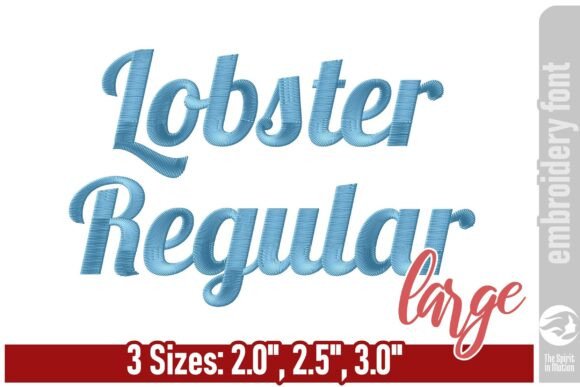
The moment I loaded the digital embroidery file into my software, the character of the font was immediately apparent. This is not a delicate, whisper-thin script that gets lost in the noise of a crowded room. Instead, it brings bold elegance to your embroidery projects. The smooth curves and connected letters evoke a sense of mid-century modern sophistication mixed with a touch of playful nostalgia. For those of us in the Sewing and Embroidery community, finding a typeface that balances readability with decorative flair is rare. This font feels premium, making it an excellent choice for handmade product lines that aim to look established and high-quality rather than amateurish.
Performance Across Popular Craft Fair Products
To truly evaluate a font, you must see it stitched out on various substrates. I focused my testing on items that are staples for any small shop product lineup. Here is how the Lobster Regular Embroidery Font - Large performed across different categories:
- Tote Bags and Market Bags: This is where the font shines brightest. On canvas or heavy cotton, the large size of the letters creates a striking focal point. A simple name or a short phrase like "Fresh Market" looks incredibly professional as a tote bag design. The boldness ensures it is readable from several feet away, which is crucial for booth visibility.
- Aprons and Tea Towels: For apron embroidery, the script adds a personalized, boutique feel. However, on tea towel embroidery, one must be cautious. The connected nature of the letters requires a stable fabric. If the towel is too textured or loose-weave, the fine connections between letters might pull or distort.
- Caps and Curved Surfaces: Stitching on curved cap surfaces is always tricky. While the font is beautiful, its width means it works best on the front panel of a structured cap. On unstructured beanies, the density might cause puckering if not properly stabilized.
- Embroidered Patches: Creating an embroidered patch with this font allows for high-contrast branding. Because the letters are thick and connected, they hold together well when cut out, making them durable for iron-on applications.
Practical Production and Selling Points
From a business perspective, efficiency is key. When preparing for a craft fair, you need designs that are repeatable and reliable. The Lobster Regular Embroidery Font - Large is relatively straightforward to hoop and align. Because it is a single-color friendly design (though it looks great in multi-color gradients), it reduces thread change time, allowing for faster batch production of craft fair product inventory.
Photography is another major factor. In my tests, the font photographed exceptionally well for online listings. The clean lines and consistent stitch density create a crisp image that pops on social media feeds. For design assets used in printable mockup creation, this font provides a realistic preview that helps customers visualize the final item, potentially increasing conversion rates for digital sellers.
Visual Appeal and Brand Consistency
Using a consistent typeface across your product line builds brand recognition. If you use Lobster Regular Embroidery Font - Large on your tote bags, matching pillow covers, and even your booth signage, you create a cohesive aesthetic. This visual consistency signals to buyers that you are a serious creative entrepreneur. The retro-inspired charm of the font taps into current trends, making your commercial embroidery items feel timely and desirable.
Careful-Use Notes for Designers
While this font is versatile, it is not without its challenges. As an experienced designer, I must highlight areas where caution is needed to ensure a high-quality finished product.
- Dense Stitch Areas: Script fonts often have overlapping areas where letters connect. Check your stitch density settings. If the density is too high in these overlap zones, you may experience thread breaks or fabric puckering, especially on lighter materials.
- Fabric Texture and Dark Fabric: On highly textured fabrics like terry cloth towels, the fine details of the connected letters can get lost. Similarly, on dark fabric, ensure you are using high-contrast thread colors. A dark thread on dark fabric will render the intricate curves invisible.
- Small Lettering Risks: This is the "Large" version of the font for a reason. Do not attempt to shrink it down for tiny monograms on baby clothes or small pouches. The internal spaces of letters like 'e', 'a', and 'o' will fill in with thread, turning your elegant script into illegible blobs. Always respect the minimum size recommendations.
- Stabilizer Selection: Because of the continuous run of the script, proper stabilization is non-negotiable. Use a cut-away stabilizer for stretchy fabrics like jersey tees and a tear-away for stable wovens like canvas toppers. Incorrect stabilizer choice will lead to distortion.
Final Designer Recommendations
Before you commit to producing a full run of items for your next market, follow these practical steps. First, always test the design on scrap fabric that matches your final product material. Check the tension and inspect the back of the hoop for excessive pulling. Second, confirm the hoop size required for your specific machine, as large script fonts can exceed standard 4x4 or 5x7 hoops depending on the word length. Third, review the licensing terms included with the embroidery file. Ensure you have the rights for commercial embroidery sales if you plan to sell physical goods.
Finally, create at least one real mockup or sample piece to display in your booth. Let customers touch the texture and see the sheen of the thread. The Lobster Regular Embroidery Font - Large has the potential to be a bestseller in your Sewing and Embroidery catalog, provided it is executed with attention to detail. It offers the perfect blend of boldness and elegance that modern handmade shoppers crave, making it a valuable addition to your library of design assets.