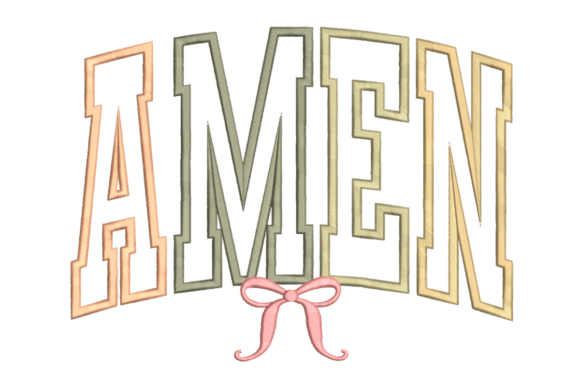
Reviewing the Coquette Amen Embroidery Design
As a designer who has spent countless hours digitizing and stitching out thousands of files, I have learned to look past the glossy preview images. What matters is how a machine embroidery design behaves under the needle, how it sits on fabric, and whether it adds genuine value to a finished product. Recently, I pulled up the Coquette Amen Embroidery Design to evaluate its potential for my upcoming spring collection. This isn’t just about aesthetics; it is about practical application for Etsy sellers, boutique owners, and hobbyists who need reliable results.
First Impressions and Visual Mood
The first thing that strikes you about this design is its playful yet reverent tone. The combination of the word "Amen" with coquette-style elements—likely involving bows, soft curves, or delicate flourishes—creates a unique visual personality. It feels whimsical without being childish, making it a versatile asset for various embroidery projects. The layout appears balanced, suggesting that the digitizer considered the flow of the thread rather than just filling space.
For those of us in the craft business, mood is everything. This design evokes a sense of gentle faith mixed with modern trendiness. It fits perfectly into the current aesthetic movement that favors softness and nostalgia. When I visualize this on a tote bag design or a linen tea towel, it doesn’t scream for attention; instead, it invites a closer look. That subtlety is often what drives sales in high-end handmade markets.
Real-World Application Scenarios
To truly test a design, I imagine it on specific items. I pictured this piece stitched onto a heavy-weight cotton sweatshirt. The contrast between the structured text and the soft, possibly satin-stitched decorative elements would look striking against the fuzzy texture of fleece. It transforms a basic garment into a personalized gift that feels curated and special.
Another strong candidate is home decor. Imagine this as part of a kitchen set, stitched onto high-quality cotton towels. The holiday embroidery market, particularly around Easter, thrives on designs that bridge secular style with spiritual sentiment. This design could easily anchor a spring-themed bundle, appealing to customers who want festive decor that remains tasteful year-round. For small shop products, this versatility is key. You aren’t limited to one niche; you can market it to church groups, fashion-forward moms, or interior design enthusiasts.
I also considered its use on baby embroidery items. A onesie or a burp cloth featuring this design would make a cherished baptism or dedication gift. However, scale is critical here. If the design is too large, it overwhelms the small garment. If it is too dense, it becomes stiff and uncomfortable against sensitive skin.
Technical Performance and Stitching Considerations
When evaluating any digital embroidery file, we must consider stitch types. While the exact technical specs aren't provided in the brief description, designs with this level of detail typically rely on a mix of satin stitch for borders and text, and fill stitch for larger decorative areas. Satin stitches provide a smooth, shiny finish that pops on darker fabrics, but they can snag if not properly secured. Fill stitches add texture and durability but increase the stitch density.
High density can be problematic on stretchy fabrics like jersey knits used in t-shirts. Without proper stabilization, the fabric may pucker around the design. Therefore, using a cut-away stabilizer is non-negotiable for apparel applications. For woven fabrics like canvas tote bags or aprons, a tear-away stabilizer might suffice, but testing is always recommended.
One area requiring caution is the fine detailing. Coquette styles often include thin lines or small bows. If these elements are digitized with running stitch or very narrow satin columns, they may not hold up well after repeated washing. I advise checking the smallest details in your embroidery software before stitching. Zoom in to ensure there are no stray jumps or overly complex transitions that could cause thread breaks.
Fabric and Hoop Constraints
The description mentions suitability for t-shirts, towels, and home decor. This suggests a medium-sized footprint, likely fitting within a standard 5x7 or 4x4 hoop size. However, always verify the actual dimensions in the file package. Stitching on curved surfaces, such as caps, requires careful hooping. If the design is wide, it might distort on the front panel of a baseball cap. In such cases, an applique design version might be preferable if available, as it reduces bulk and stitch count.
Fabric texture also plays a role. On textured fabrics like terry cloth towels, fine details can get lost. The thread colors you choose must have sufficient contrast against the background. A pastel pink thread on a white towel might look elegant in person but disappear in photos. For printable mockups and online listings, high-contrast combinations help showcase the design’s clarity.
Commercial Viability and Brand Consistency
For commercial embroidery professionals, consistency is vital. This design offers a distinct look that can help build brand recognition. If your shop specializes in faith-based or whimsical goods, adding the Coquette Amen Embroidery Design to your library strengthens your portfolio. It signals to buyers that you keep up with trends while maintaining quality.
However, before selling any finished product, you must confirm the licensing terms. Not all design assets allow for commercial use. Check the provider’s policy to ensure you are compliant. Assuming the license permits it, this design can be a strong seller during the spring season. It appeals to a broad demographic, from young adults seeking trendy apparel to families looking for meaningful gifts.
Practical Designer Notes
- Test on scrap fabric: Always stitch a sample on the same material type you plan to use for production. This reveals tension issues and density problems.
- Check thread contrast: View your design in black and white to ensure the shapes remain distinct without color reliance.
- Inspect small details: Look closely at the bows or flourishes. Ensure they are not too tiny to stitch cleanly on your specific machine.
- Verify hoop compatibility: Confirm the design fits your machine’s maximum hoop size to avoid resizing, which can distort stitch angles.
- Consider washability: If selling apparel, advise customers on care instructions. High-density areas may require gentle washing to maintain shape.
In conclusion, the Coquette Amen Embroidery Design presents a compelling option for designers looking to blend modern aesthetics with traditional themes. Its success lies in thoughtful execution: choosing the right fabric, stabilizer, and thread colors. By treating it as a serious component of your custom apparel or home decor line, you can create products that resonate with customers and stand the test of time. Always prioritize quality control, and let the design’s inherent charm do the rest.