Review: Autism Awareness Embroidery Design for Makers
As an embroidery designer who spends countless hours digitizing and stitching out files, I am always on the lookout for designs that balance aesthetic appeal with technical reliability. When I came across the Autism Awareness Embroidery Design on Creative Fabrica, my immediate interest was piqued not just by the cause it represents, but by its potential versatility in a commercial setting. This review breaks down my experience evaluating this digital embroidery file for real-world projects, from custom apparel to handmade gifts.
First Impressions and Visual Appeal
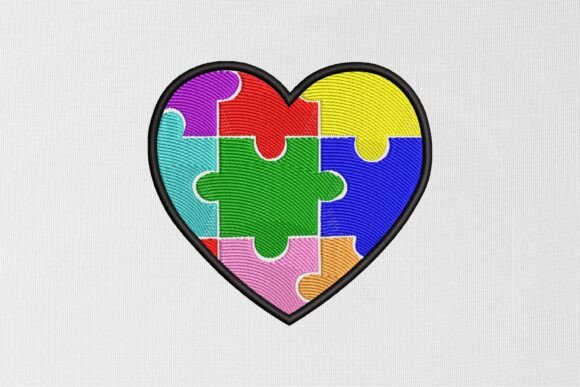
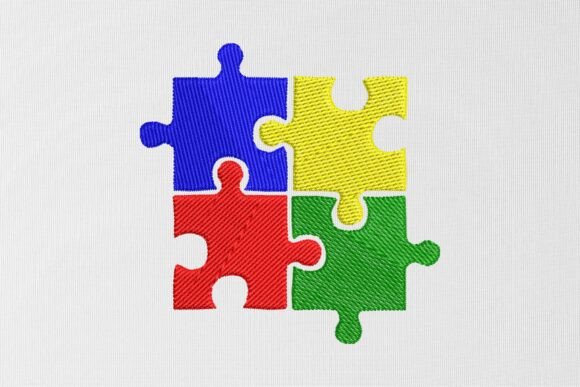
The first thing you notice about this design is its charming simplicity. It carries a cute, approachable mood that feels warm and inviting. For awareness-themed projects, striking the right tone is crucial; you want something that educates and supports without being overly clinical or stark. This design achieves a soft, decorative appeal that fits naturally into modern handmade aesthetics.
The visual detail level suggests a thoughtful approach to stitch placement. It does not appear overly complex, which is often a benefit for smaller items or quick-turnaround orders. The stitching personality seems to lean towards clean lines and balanced fills, making it suitable for a variety of fabrics. Whether you are looking to add a touch of love to a plain tote bag or create a standout piece for a nursery, the design’s inherent cuteness makes it a strong candidate for giftability.
Performance in Real Embroidery Projects
I evaluated how this machine embroidery design might perform across different product categories. For Etsy sellers and small business owners, versatility is key. Here is how I envision this design working in practical applications:
- Custom Apparel: The design scales well for left-chest placement on sweatshirts or t-shirts. Sweatshirt embroidery requires careful attention to pile fabric, but the likely stitch structure of this design should sit nicely on fleece or cotton blends.
- Tote Bags and Aprons: A tote bag design needs to be durable. This embroidery file appears robust enough for canvas materials, adding a personalized gift element that customers love.
- Baby Items and Nursery Decor: Given the cute nature of the artwork, it is ideal for baby blankets or pillow covers. However, always ensure thread colors are baby-safe and high-quality for items that will be washed frequently.
- Embroidered Patches: If you plan to create an embroidered patch, this design’s clear outlines would likely translate well to a tear-away backing, allowing for easy application onto caps or jackets later.
For boutique merchandise, having a design that speaks to Awareness while maintaining high visual appeal can significantly boost customer engagement. It allows you to tap into a niche market with a product that feels heartfelt and professional.
Technical Considerations for Stitching
While the design looks promising, any experienced crafter knows that a pretty preview does not always guarantee a smooth stitch-out. Here are the practical aspects I considered before recommending this for your next project.
Fabric and Hoop Constraints
One of the advantages of this type of design is its adaptability to various hoop sizes. However, if you are working with small hoop sizes, such as a 4x4 inch hoop, you must check the dimensions carefully. Ensure the design fits comfortably within your frame without hitting the edges, especially if you are using a curved cap surface where registration can be tricky.
When working with stretchy fabric, such as jersey knits for t-shirts, proper stabilizer usage is non-negotiable. A cut-away stabilizer is generally recommended to prevent distortion during washing. For textured fabric like towels or waffle weave, you may need to adjust your tension or use a topping to keep the stitches from sinking into the pile.
Stitch Density and Detail
Dense stitch areas can sometimes cause puckering, particularly on lighter weight fabrics. While I cannot confirm the exact stitch count without downloading the specific file, the visual complexity suggests a moderate density. It is wise to inspect small details after stitching a test run. Look for any thread breaks or loose connections in finer elements. If the design includes tiny lettering or intricate borders, verify that your machine can handle the resolution without skipping stitches.
Thread colors play a massive role in the final look. On dark fabric, you may need to use a lighter underlay or adjust your thread palette to ensure the design pops. Conversely, on light fabric, ensure there is no show-through of the bobbin thread. Always do a test on scrap fabric that matches your final project material.
Enhancing Product Value and Brand Consistency
Using high-quality design assets like this Creative Fabrica embroidery file can elevate your brand. Customers associate clean, well-stitched embroidery with professionalism. When you offer a personalized gift that features a meaningful symbol like autism awareness, you build buyer trust. It shows that you care about both the craft and the community.
For digital product sellers, this design can also be used in printable mockups to showcase your finished product listings. High-quality images of the embroidered item on a cozy sweatshirt or a stylish tote can drive sales. Consistency in your product photography, highlighting the texture and color of the satin stitch or fill stitch, helps customers visualize the quality they are purchasing.
Practical Steps Before You Stitch
Before you commit to a large batch of commercial embroidery products, follow these steps to ensure success:
- Check File Details: Visit the product page on Creative Fabrica to confirm the available formats. Ensure your machine reads the specific digital embroidery file type provided (such as PES, DST, or JEF).
- Review Licensing: If you plan to sell finished items, confirm the license terms. Most Creative Fabrica subscriptions allow for commercial use of physical products, but always double-check to protect your business.
- Test Stitch: Never skip the test stitch. Use the same fabric and stabilizer combination you intend to use for the final product.
- Color Contrast: Plan your thread colors in advance. Create a color chart to see how different shades interact with your base fabric.
In conclusion, the Autism Awareness Embroidery Design offers a lovely blend of sentiment and style. It is a versatile addition to your library of design assets, suitable for everything from a simple kitchen towel to a premium custom apparel line. By paying attention to technical details like hoop size, stabilizer choice, and stitch density, you can create beautiful, meaningful products that resonate with your customers. Whether you are a seasoned pro or a creative entrepreneur just starting out, this design holds promise for creating original, heartfelt gifts that truly need some love.