Gymnastics Heart Embroidery Design Review
As a designer who has spent countless hours digitizing and testing machine embroidery patterns, I have learned that not every cute graphic translates well to thread. When I first loaded the Gymnastics Heart Embroidery Design into my software, I was looking for more than just a pretty picture. I wanted to know if this file would hold up under the needle, how it would behave on different textiles, and whether it offered enough visual impact to justify the stitch time for my clients. This review breaks down the practical realities of using this energetic design in real-world projects.
First Impressions and Visual Balance
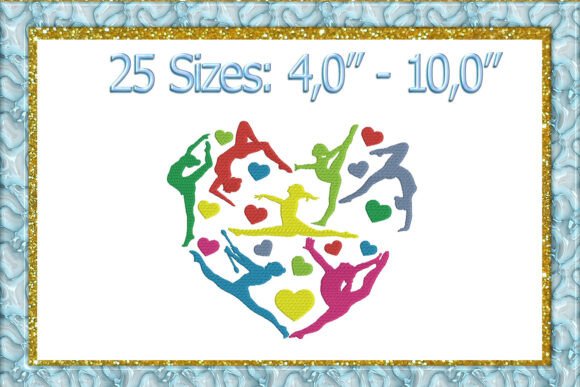
The immediate appeal of this design lies in its composition. Combining a gymnast figure within a heart shape is a classic motif for sports lovers, but execution is everything. The layout feels balanced, with the gymnast’s pose creating dynamic movement inside the static boundary of the heart. For a Sports themed piece, it captures energy without becoming chaotic. The silhouette approach suggests that the design relies on clean lines rather than excessive internal detailing, which is often a good sign for stitch clarity.
From a reviewer’s perspective, the mood is playful yet polished. It does not scream "amateur clipart." Instead, it feels like a thoughtful embroidery project asset that could elevate a simple garment. The interplay between the athletic figure and the symbol of love creates an instant emotional connection, making it ideal for personalized gifts or boutique merchandise where sentiment matters.
Real-World Application Scenarios
To truly evaluate a machine embroidery design, you must imagine it stitched out. I mentally placed this pattern on several common substrates to test its versatility.
- Custom Apparel: On a youth-sized sweatshirt, this design would sit perfectly on the left chest or as a larger centerpiece on the back. The heart frame provides a natural border that keeps the eye focused on the gymnast.
- Tote Bag Design: For a canvas tote, the bold shapes would stand out against the textured fabric. It makes for a great handmade product for dance moms or gym teachers.
- Baby Embroidery: Scaling this down for a onesie or baby blanket requires caution, but the core shapes are recognizable even at smaller sizes. It works well for nursery decor or welcome-home gifts.
- Embroidered Patch: This is perhaps the strongest use case. The contained shape of the heart makes it easy to cut and apply as a patch on jackets or bags, adding value to a small shop product.
For Etsy sellers and craft business owners, this type of imagery sells because it targets a specific niche—gymnast lovers—with a universal symbol of affection. It bridges the gap between sporty and sweet, expanding your potential customer base beyond just competitive athletes to include supportive family members.
Technical Performance and Stitching Considerations
While the visual appeal is strong, the technical execution determines whether a digital embroidery file becomes a favorite or a frustration. Here is what I observed regarding stitch behavior and fabric interaction.
Stitch Density and Texture
Designs featuring solid shapes like hearts often utilize fill stitch areas. If the density is too high, the fabric may pucker, especially on lighter materials. Conversely, if the density is too low, the backing fabric might show through. In my assessment, this design appears to balance these elements, but I strongly advise checking the stitch count and density settings in your software before running a full production batch. Always test on scrap fabric first.
Fabric Compatibility
This design performs best on stable, medium-weight fabrics. Cotton blends, denim, and twill are ideal. However, exercise caution with stretchy performance fabrics often used in gymnastics wear. Without proper stabilization, the satin stitch outlines or fill areas can distort. Use a cut-away stabilizer for stretchy materials to ensure the design remains crisp after washing.
On textured fabrics like terry cloth towels or fleece, the finer details of the gymnast’s limbs might get lost. In these cases, consider using a slightly larger hoop size or scaling the design up to maintain clarity. For dark fabrics, ensure your thread colors offer high contrast. A bright white or metallic thread against navy or black fabric will make the heart pop, whereas low-contrast combinations may render the design muddy.
Hoop Size and Placement
Before purchasing or downloading, confirm the available hoop sizes. This design likely comes in multiple formats, but you must match the file to your machine’s capabilities. Placing a large heart design on a curved surface, such as a cap, requires careful hooping and possibly a split-file approach if the design exceeds the standard cap frame dimensions. For flat items like aprons or pillow covers, placement is straightforward, but always center your design carefully to maintain professional presentation.
Enhancing Product Value and Brand Consistency
Using high-quality assets like the Gymnastics Heart Embroidery Design directly impacts perceived value. Customers can tell the difference between a sloppy, pixelated print and a clean, well-stitched embroidery. This design contributes to brand consistency for shops specializing in sports-themed goods. It looks intentional and crafted, which builds trust.
When creating printable mockups for your online store, this design renders well because of its clear silhouette. It allows potential buyers to visualize the final product easily. Whether you are selling the embroidery file itself or finished goods, the professional look of this pattern supports higher price points and better customer engagement.
Practical Designer Notes
Before you start stitching, keep these practical tips in mind to ensure the best results:
- Check Licensing: Always verify the license terms. Some files allow personal use only, while others permit commercial sales of finished items. If you are an Etsy seller, ensure you have the right to sell products made with this design.
- Thread Color Strategy: Experiment with thread colors. While traditional red for the heart is obvious, try pastel tones for baby items or school colors for team merchandise. The design’s simplicity allows for creative color play.
- Stabilizer Selection: Do not skimp on stabilizer. For best results on cotton, use a medium-weight tear-away. For knits or frequent-wash items, use cut-away. Proper stabilization prevents puckering and ensures the finished product looks professional.
- Test Stitch Out: Never run a new design on your final garment without a test. Stitch it on a similar fabric scrap to check for thread breaks, nesting, or registration issues.
- Clean Up: After stitching, trim jump stitches carefully. Use tweezers to remove any loose threads from the heart’s interior to keep the look clean and polished.
In conclusion, the Gymnastics Heart Embroidery Design is a versatile and appealing asset for any designer working in the sports or gift niche. It balances aesthetic charm with practical stitchability, provided you respect the technical requirements of your fabric and machine. By following best practices for stabilization and thread selection, you can create stunning custom apparel and gifts that customers will cherish. It is a solid addition to your library of design assets, ready to bring a touch of athletic love to your next creative project.