Cute Halloween Duck Embroidery Design Review
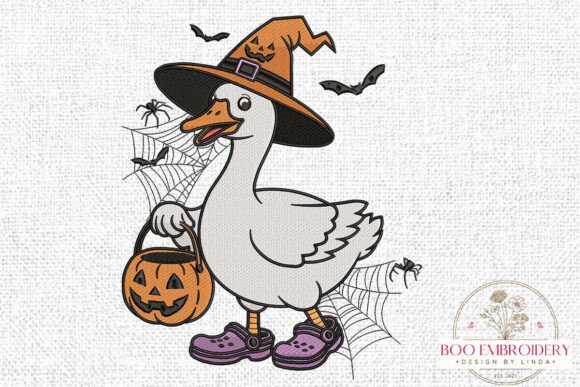
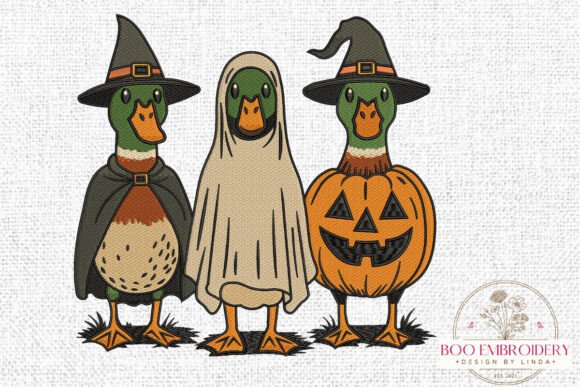
As an embroidery designer who has spent countless weekends behind a craft fair booth, I know that the difference between a browsing customer and a buying customer often comes down to split-second visual appeal. When I first loaded the Cute Halloween Duck Embroidery Design into my software, my immediate impression was one of playful charm. This is not a spooky, gore-filled horror motif; it is a whimsical, approachable take on the season. For sellers targeting families, young adults, or anyone who prefers "cozy spooky" over "terrifying," this design hits the sweet spot. It feels modern yet timeless, with a quirky accent that transforms ordinary fabrics into conversation starters.
First Impressions and Visual Appeal
The strength of this machine embroidery design lies in its clarity. In a crowded market environment, customers scan tables quickly. A design that is too complex or cluttered gets lost. This duck motif stands out because it balances cute character details with clean lines. It does not feel overly dense, which suggests it will stitch out cleanly without excessive thread breaks or puckering. The aesthetic is versatile enough to fit into a farmhouse-style booth, a modern minimalist display, or a colorful, eclectic handmade shop. It captures the spirit of Halloween without being limiting, meaning you can start selling these items in early October and potentially carry them through late autumn if the color palette is adjusted.
Best Products for Maximum Sales
When planning your inventory for a weekend craft fair, you need products that move quickly and showcase the design effectively. Based on the description, here is how this design performs across various craft fair product categories:
- Tote Bags and Market Bags: This is arguably the best application. A canvas tote provides a large, flat surface that allows the duck to be the focal point. It turns a utility item into a seasonal statement piece. As a tote bag design, it appeals to shoppers looking for reusable, festive alternatives to plastic bags.
- Tea Towels and Kitchen Linens: The description specifically mentions towels. Tea towel embroidery is a high-volume seller. However, you must be cautious with fabric texture. Thick, waffle-weave towels can distort small details. Use a smooth cotton linen blend for the crispest result. This makes for an excellent handmade product that feels premium yet affordable.
- Aprons: An apron embroidery project using this duck adds personality to kitchen wear. It works well as a chest pocket accent or a lower hem detail. It appeals to home cooks who want to add fun to their holiday hosting.
- Embroidered Patches: If you have the capability to create iron-on or sew-on patches, this design is ideal. Patches are low-commitment purchases for customers. An embroidered patch allows buyers to customize their own jackets or bags later, expanding your reach beyond finished goods.
- Caps and Hats: While possible, curved surfaces are tricky. Ensure the design is scaled correctly so it does not wrap around the curve of the cap, which can cause distortion. It works best on structured caps with a stable front panel.
Production Practicality for Small Shops
For any Etsy seller or boutique maker, time is money. This Cute Halloween Duck Embroidery Design appears to be optimized for batch production. The shapes look distinct and separate, which usually means fewer jump stitches and faster trimming times. When you are producing fifty units for a fair, efficiency is critical. The design feels repeatable, meaning you can hoop multiple items quickly without worrying about complex alignment issues.
Photography is another crucial factor. This design photographs well because of its clear silhouette. Whether you are creating a printable mockup for your online store or taking photos for Instagram, the contrast between the duck and the background fabric will pop. This visual clarity helps increase buyer engagement on digital platforms, where customers cannot touch the product.
Careful-Use Notes and Technical Considerations
While the design is charming, practical execution requires attention to detail. Here are specific technical points to consider before you start stitching:
- Stitch Density: Always check the stitch density in your editing software. If the design is too dense for lightweight fabrics like t-shirts, it may cause puckering. Use a cut-away stabilizer for knits to ensure stability.
- Fabric Texture: Avoid highly textured fabrics like heavy bouclé or loose weaves for small details. The threads can sink into the fabric, making the duck look muddy. Smooth cottons, polyesters, and tight weaves yield the best results.
- Thread Colors: Experiment with thread colors. Traditional orange and black are safe, but consider pastel ducks for a softer look, or neon threads for a modern twist. High contrast between the thread and the fabric is essential for visibility.
- Small Details: If you scale the design down significantly for small pouches or baby items, ensure the tiny details do not become indistinguishable blobs. Test different sizes on scrap fabric first.
- Dark Fabrics: Stitching on black or dark navy requires careful tension adjustment. Use a topping if necessary to prevent the fabric from pulling up into the stitches.
Enhancing Brand Consistency and Value
Incorporating this design into your lineup can strengthen your brand identity if you position it correctly. It signals that your shop offers fun, high-quality, and thoughtful items. For a small shop product, perceived value is everything. A simple tea towel becomes a giftable item when adorned with a well-executed embroidered duck. It elevates the finished product from a commodity to a curated piece of decor.
Furthermore, using this as part of a cohesive collection—perhaps paired with other autumnal motifs—creates a stronger booth display. Customers are more likely to buy when they see a themed arrangement. It shows professionalism and attention to detail, which builds trust with potential buyers.
Final Designer Recommendations
Before you list this as a commercial embroidery product or sell finished goods, take these final steps. First, always test the digital embroidery file on the exact fabric you intend to use. Second, confirm the hoop size requirements to ensure it fits your machine’s capabilities. Third, review the license terms associated with the design assets. Since this is a purchased design, ensure you have the right to sell finished products made with it. Most designers allow this, but it is vital to verify.
Create at least one real mockup or sample to hold in your hand. Does it feel sturdy? Is the backing neat? These tactile details matter to customers who appreciate handmade quality. By treating the Cute Halloween Duck Embroidery Design with professional care, you turn a simple digital file into a profitable, eye-catching addition to your seasonal inventory. Whether you are an experienced Etsy seller or a new crafter, this design offers a reliable path to creating items that delight customers and drive sales.