Baby Deer Embroidery Design Review for Merch
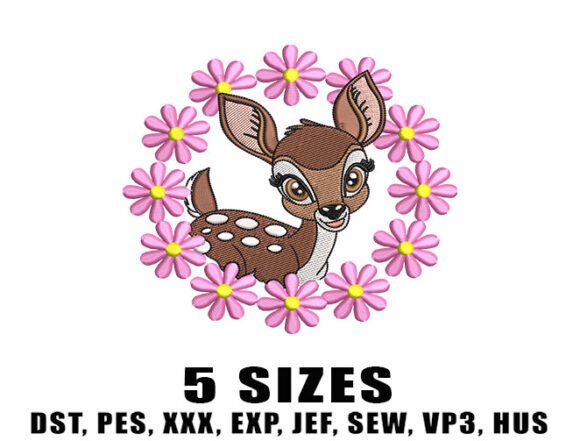
As an embroidery designer who has spent years digitizing and reviewing files for commercial use, I approach every new machine embroidery design with a critical eye. It is not enough for a design to simply look cute on a screen; it must perform flawlessly on fabric, withstand washing, and elevate the brand identity of the business using it. Today, I am reviewing the Baby Deer Embroidery Design, a file categorized under Baby Animals that promises sweet details perfect for children’s apparel and woodland-themed projects. While the initial description highlights its use for nursery decor and baby gifts, my focus here is strictly on its viability for small business merchandise, branded patches, and professional custom apparel.
First Impressions and Visual Personality
The first thing I look for in a digital embroidery file is its visual personality. Does it feel premium, or does it look like a generic clipart conversion? The Baby Deer Embroidery Design presents itself as adorable and friendly, which aligns perfectly with the current trend of soft, nature-inspired branding. For boutiques, bakeries, and creative studios aiming for a warm, approachable aesthetic, this design hits the mark. It feels handmade and decorative rather than corporate or rigid. This distinction is crucial because customers often associate intricate, soft embroidery with higher quality and care, directly impacting their perception of your handmade product.
However, "sweet details" can be a double-edged sword in commercial embroidery. In my review, I assess whether these details translate well into thread. If the design relies too heavily on micro-details, it may lose definition when scaled down for a chest logo or a small patch. The charm of this deer lies in its simplicity, but we must ensure that the digitizing supports clean lines without excessive jump stitches or loose threads that could compromise the professional finish.
Real-World Business Applications
Let us move beyond theory and discuss where this design actually works in a business context. For small business owners, versatility is key. Here is how I envision the Baby Deer Embroidery Design performing across various product lines:
- Embroidered Patches: This is perhaps the strongest use case. A well-digitized deer makes for an excellent iron-on or sew-on patch. Patches allow businesses to add branding to items without committing to permanent embroidery on expensive garments. They are also great for selling as standalone design assets in Etsy shops.
- Staff Uniforms and Aprons: For a boutique café, florist, or pet brand, embroidering this deer on the corner of an apron adds a touch of whimsy. It softens the professional look of a uniform, making staff appear more approachable. However, ensure the placement is consistent to maintain brand identity.
- Tote Bag Design: Canvas tote bags are a staple for retail merch. The rustic, woodland vibe of a baby deer pairs beautifully with natural cotton fabrics. This creates a high-value finished product that customers are happy to carry around, effectively turning them into walking advertisements.
- Cap Embroidery: Using this design on the front panel of a dad hat or baseball cap can be tricky due to the curved surface. If the design is too wide, it will distort. I recommend testing it on a structured cap first to ensure the deer’s features remain recognizable and do not bunch up.
Critical Considerations for Production
While the aesthetic appeal is strong, there are technical hurdles to clear before running a large batch of commercial embroidery. The description mentions "sweet details," which implies potential complexity. Here is where caution is required:
Stitch Density and Fabric Texture: If the design has high stitch density, it can cause puckering on lightweight fabrics like thin cotton or rayon blends commonly used in children’s apparel. Always test on the actual fabric you intend to use. For textured fabrics like terry cloth or heavy canvas, you may need to adjust the underlay stitches to ensure the design sits on top of the texture rather than sinking into it.
Small Patch Sizes: If you plan to use this as a tiny label or a small chest logo, verify the minimum viable size. Intricate antlers or facial features can merge together if the design is scaled down too far. A good rule of thumb is to stitch out a test sample at 50% of your intended size to check for clarity.
Thread Colors and Contrast: The success of this design depends heavily on your thread colors. On dark uniforms, a light brown or tan deer might get lost if the contrast is not sharp enough. Consider using a satin stitch border or a backing patch to make the design pop against dark backgrounds. Always create a printable mockup for client approval to visualize how the colors interact before stitching.
Enhancing Brand Identity and Trust
Why does this matter for your bottom line? Because consistent, high-quality embroidery builds trust. When a customer receives a tote bag or a shirt with a crisp, well-executed Baby Deer Embroidery Design, they perceive the brand as professional and detail-oriented. Sloppy embroidery, on the other hand, signals cut corners. Using a cohesive design like this across your small business merch—from hang tags to employee shirts—creates visual consistency. It tells a story of warmth and nature, which can differentiate your brand in a crowded market.
Furthermore, offering items with this design can increase buyer engagement. Customers love unique, themed items. A "woodland collection" featuring this deer can drive sales during specific seasons or for niche markets like baby showers and nursery decorations. It transforms a simple garment into a memorable gift.
Practical Designer Notes for Implementation
Before you purchase and produce, follow these steps to ensure success:
- Check the Specs: The provided description does not list exact stitch count, file formats, or hoop sizes. You must verify these details with the seller. Ensure the file format is compatible with your machine (e.g., PES, DST, JEF).
- Test Stabilizer: Use the appropriate stabilizer for your fabric. Cut-away stabilizer is usually best for garments that will be washed frequently, while tear-away may suffice for decorative patches that won't undergo heavy wear.
- Confirm Licensing: Since this is for business use, confirm that the license allows for commercial embroidery. Some designers restrict the number of physical items you can sell using their digital files.
- Mockup and Compare: Place the Baby Deer Embroidery Design beside your other design assets. Does it fit your brand’s color palette? Does it clash or complement your existing logo? Consistency is key to professional presentation.
In conclusion, the Baby Deer Embroidery Design holds significant potential for small businesses looking to add a touch of warmth and professionalism to their merchandise. Whether used for apron embroidery, custom patches, or boutique apparel, its success lies in proper technical execution. By paying attention to stitch density, fabric choice, and placement, you can turn this charming digital file into a powerful tool for building your brand. Always prioritize testing and quality control to ensure that every stitched deer reflects the high standards of your business.